7 Popular New Year’s Eve Traditions Around the World
Few moments feel as universally shared as New Year’s Eve. No matter where you are in the world, the final hours of December 31 carry a sense of reflection, anticipation, and collective excitement. Cultures may differ in customs, food, and rituals, but the emotional core of New Year’s Eve remains remarkably similar: closing one chapter and welcoming the next.
Across continents, people mark New Year’s Eve with traditions rooted in history, superstition, symbolism, and celebration. Some are loud and communal, others quiet and deeply personal. Together, they show how this single night can be interpreted in countless meaningful ways.
Below are seven popular New Year’s traditions from around the world, each offering a unique lens into how societies greet the future.
1. Fireworks to Chase Away the Old Year (Global)
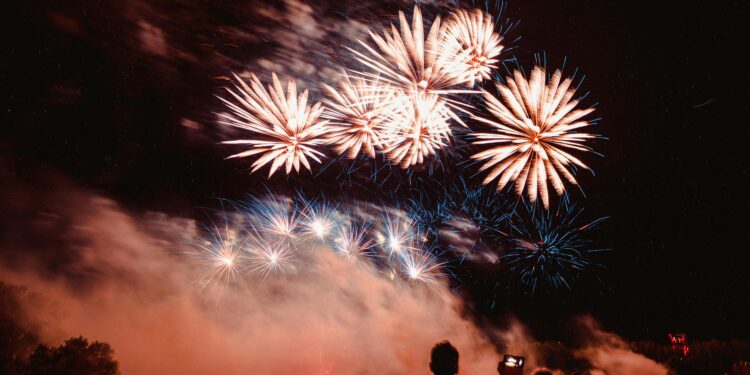
Fireworks are one of the most recognizable New Year’s traditions worldwide. From Sydney Harbour to London’s Thames and New York’s skyline, cities use fireworks to mark the transition into a new year with spectacle and sound.
Historically, loud noises and bright lights were believed to scare away evil spirits. Today, fireworks on New Year’s Eve symbolize joy, renewal, and collective celebration. Crowds gather hours in advance, others fly in to these cities, and millions more tune in through broadcasts and live streams to share the moment.
For many, watching fireworks to welcome the New Year is less about superstition and more about witnessing a shared countdown that feels larger than individual experience.
2. Eating 12 Grapes at Midnight (Spain)
In Spain, one of the most charming New Year’s Eve traditions involves eating 12 grapes—one with each chime of the clock at midnight. Each grape represents a month of the coming year, and successfully eating all 12 is said to bring good luck.
This tradition began in the early 20th century and has since spread to other Spanish-speaking countries. Families and friends gather around televisions or public clocks, timing their bites carefully as laughter often erupts mid-countdown.
New Year’s Eve in Spain blends humor and hope, turning a simple act into a meaningful ritual of optimism.
3. Wearing White for Fresh Beginnings (Brazil)
In Brazil, New Year’s Eve—known as Réveillon—is strongly associated with wearing white clothing. White symbolizes peace, purity, and renewal, aligning perfectly with the themes of the night.
Many Brazilians celebrate on beaches, particularly Copacabana in Rio de Janeiro, where offerings of flowers are made to Yemanjá, the goddess of the sea. Jumping seven waves at midnight while making wishes is another popular custom.
This tradition blends spirituality, nature, and community, making New Year’s celebrations in Brazil both festive and deeply symbolic.
4. Ringing Bells 108 Times (Japan)
In Japan, New Year’s Eve—called Ōmisoka—is marked by a quieter, more reflective tradition. Buddhist temples ring bells 108 times, representing the number of earthly desires believed to cause human suffering.
Each bell toll is meant to cleanse one desire, allowing people to enter the new year with clarity and peace. Many listen to the bells on television or attend temple ceremonies in person.
Unlike more explosive celebrations, Japan’s approach emphasizes mindfulness, reflection, and spiritual renewal.
5. Breaking Plates for Good Luck (Denmark)
In Denmark, New Year’s Eve comes with an unusual yet joyful tradition: breaking plates. Danes save old dishes throughout the year and smash them against the doors of friends and family on New Year’s Eve.
A doorstep covered in broken plates is considered a sign of good luck and strong friendships. The tradition reflects humor, affection, and the idea that abundance—symbolized by many broken plates—will follow.
New Year’s in Denmark proves that celebration doesn’t always have to be neat to be meaningful and spiritual.
6. Making Noise with Pots and Pans (Latin America & Europe)
In several countries, including parts of Latin America and Southern Europe, people welcome the New Year by making as much noise as possible using pots, pans, and kitchen utensils.
This tradition has roots in ancient practices meant to scare away bad energy and negativity from the old year. Families often step outside just before midnight, turning everyday objects into instruments of celebration.
It’s a reminder that New Year’s celebrations doesn’t require elaborate setups—sometimes, the simplest actions create the strongest sense of unity.
7. Writing and Burning Wishes (Various Cultures)
A quieter but deeply symbolic tradition practiced in different forms around the world involves writing wishes, intentions, or regrets on paper and burning them at midnight.
Some write what they want to release from the past year; others focus on hopes for the future. Burning the paper symbolizes closure, transformation, and renewal.
This ritual highlights the reflective side of New Year’s Eve, balancing celebration with introspection.
Why New Year’s Eve Traditions Matter
While traditions differ, the purpose of New Year’s rituals is strikingly consistent. They help people pause, reflect, and emotionally prepare for change. In a fast-moving world, New Year’s celebrations creates a shared moment of transition that feels intentional.
These customs also strengthen social bonds. Whether gathered around a table, standing in a crowd, or watching from home, New Year’s traditions remind us that we’re not entering the future alone.
How Modern Celebrations Are Evolving
Today, New Year’s Eve blends tradition with modern habits. Livestreamed fireworks, virtual countdowns, and digital messages allow people to participate even when physically apart. Yet many still hold onto rituals passed down through generations.
These practices that create a unique balance between old and new keeps the holiday relevant—honoring history while adapting to contemporary lifestyles.
Final Thoughts
From fireworks and feasts to quiet reflection and symbolic rituals, New Year’s Eve traditions reveal how cultures around the world interpret hope, renewal, and community. While the customs may look different, the emotion behind them is universal.
As each New Year arrives, these traditions offer more than celebration—they provide continuity, meaning, and a chance to begin again with intention. Wherever and however it’s celebrated, New Year’s Eve remains one of the few moments that truly connects the world in a shared sense of possibility.