Mindfulness Practices 101: 7 Simple Habits to Bring Into 2026
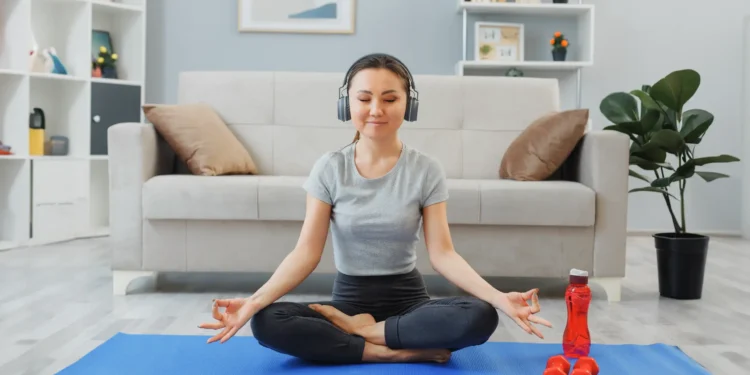
Mindfulness is no longer a niche concept reserved for meditation retreats or spiritual circles. Over the past decade, it has become a widely adopted approach to managing stress, improving focus, and cultivating emotional resilience in an increasingly fast-paced and digitally saturated world. As we move into 2026, mindfulness practices are evolving from occasional wellness habits into everyday life skills.
Research continues to show that consistent mindfulness practices can improve emotional regulation, attentional control, and overall well-being. Just as importantly, real-world experience suggests that mindfulness helps people navigate uncertainty, maintain balance, and respond thoughtfully rather than react impulsively. The good news is that mindfulness does not require perfection, long hours, or special settings. It can be practiced anywhere, by anyone, at any time.
Below are seven mindfulness practices that are especially relevant for modern life—simple enough to begin today, yet powerful enough to carry forward into 2026 and beyond.
1. Mindful Breathing: Anchoring Yourself in the Present
Mindful breathing is one of the most accessible mindfulness practices and often the foundation for all others. It works by drawing attention to the natural rhythm of the breath, which serves as an anchor to the present moment. When the mind feels overwhelmed or scattered, returning to the breath creates a sense of stability and calm.
Even a few minutes of mindful breathing can help interrupt stress cycles and bring clarity during emotionally charged moments. This practice is especially useful in everyday situations—before an important conversation, during a stressful commute, or when transitioning between tasks.
To practice, sit or stand comfortably and breathe slowly through your nose. Notice the sensation of air entering and leaving your body. When thoughts arise, gently guide your attention back to the breath without judgment.
2. Body Scan Meditation: Reconnecting with Physical Awareness
The body scan is a mindfulness practice that develops awareness by focusing attention on physical sensations throughout the body. In a world where many people spend long hours disconnected from their physical state, this practice helps rebuild the mind-body connection.
By observing areas of tension, warmth, or ease without trying to change them, you learn to listen to your body’s signals rather than ignore them. Over time, this awareness can improve relaxation, posture, and emotional regulation.
To begin, lie down or sit comfortably. Slowly bring attention to each part of the body, starting from the head and moving downward. Simply notice sensations as they are, allowing the body to relax naturally.
3. Mindful Walking: Turning Movement Into Meditation
Mindful walking transforms a simple activity into a moving meditation. Instead of rushing from one place to another, this practice encourages full awareness of each step, the sensation of the feet touching the ground, and the rhythm of the breath.
This approach is ideal for those who find seated meditation challenging or who prefer integrating mindfulness practices into daily routines. It can be practiced outdoors in nature or indoors in a quiet space.
As you walk, slow your pace slightly and focus on the physical experience of movement. When the mind wanders, gently return attention to the sensation of walking itself.
4. Mindful Eating: Bringing Awareness Back to Nourishment
Mindful eating invites full presence into one of the most routine yet overlooked activities of the day. Instead of eating while distracted by screens or multitasking, this practice encourages awareness of taste, texture, smell, and the body’s signals of hunger and fullness.
Practicing mindful eating can improve digestion, reduce overeating, and foster a healthier relationship with food. It also cultivates gratitude for nourishment, which is often missing in rushed meals.
To practice, eat without distractions. Chew slowly, notice flavors and textures, and pause between bites. Pay attention to how your body responds and when it feels satisfied.
5. Loving-Kindness Meditation: Strengthening Emotional Resilience
Loving-kindness meditation, also known as metta, focuses on cultivating compassion toward oneself and others. This mindfulness practice helps counteract self-criticism, resentment, and emotional fatigue by intentionally generating feelings of goodwill.
By repeating phrases such as “May I be safe” or “May you be at peace,” practitioners gradually expand compassion from themselves to loved ones, acquaintances, and even difficult individuals. Over time, this practice can reduce stress and improve emotional resilience.
Begin by directing kind intentions toward yourself, then gradually extend them outward. The emphasis is not on forcing emotion, but on setting an intention for goodwill.
6. Gratitude as a Mindfulness Practice: Shifting Perspective
Gratitude is a powerful complement to mindfulness practices because it trains attention toward what is already present and meaningful. Rather than ignoring challenges, gratitude helps balance perspective by acknowledging positive moments alongside difficulties.
Simple daily gratitude practices can gradually rewire attention patterns, making it easier to notice moments of calm, connection, and satisfaction. This shift can have a significant impact on emotional well-being over time.
At the end of each day, reflect on two or three small things you are grateful for. These do not need to be major events—often the smallest moments have the greatest impact.
7. Digital Mindfulness: Creating Space Away from Screens
As digital demands continue to increase, mindfulness practices must also address our relationship with technology. Digital mindfulness involves intentionally stepping away from screens to reconnect with the present moment and reduce mental overload.
Even short daily breaks from devices can improve focus, reduce anxiety, and restore a sense of presence. This practice is especially important as constant notifications and content consumption become normalized.
Set aside 15 to 30 minutes each day to disconnect from screens. Use this time to breathe, walk, reflect, or simply be still. The goal is not avoidance, but conscious engagement.
Mindfulness Practices as a Way of Life
Mindfulness practices are not limited to formal meditation sessions—it is a way of relating to everyday experiences with awareness and intention. By integrating these seven mindfulness practices into daily life, individuals can cultivate greater calm, clarity, and compassion as they move into 2026.
Start small, remain consistent, and allow mindfulness practices to grow and become habits naturally. Over time, being present becomes less of an effort and more of a habit—one that reshapes how life is experienced moment by moment.