The Rise of Gacha Games: Why Chance-Based Play Dominates Modern Gaming
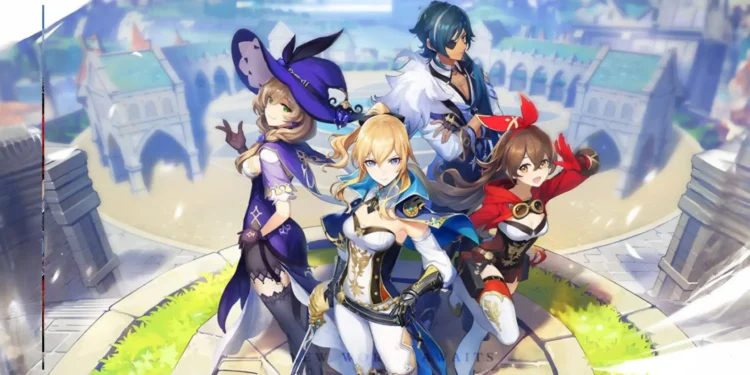
The mobile gaming industry has experienced a massive surge of gacha games, which attract numerous players through their combination of strategic gameplay, collection systems, and unpredictable results. The gacha system in Genshin Impact, Fate/Grand Order, and Honkai: Star Rail enables players to spend virtual currency on random character and item draws, which originate from Japanese capsule toy machines. The global industry now generates billions in revenue from what began as a specialized Asian gaming trend. Why do gacha games remain the most popular choice among gamers in today’s gaming landscape?
The Thrill of Uncertainty Fuels Addiction
Gacha games operate through their fundamental design, which utilizes psychological elements to maintain player interest. The free-to-play system creates a gambling experience that users automatically get hooked on because it simulates the dopamine release associated with actual gambling. Players experience excitement with every pull because they want to know whether they will succeed in obtaining the rare SSR character. The variable reward system establishes a stronger connection with players because it keeps them engaged for longer periods when compared to games that require fixed development paths.
The University of York conducted research that discovered that gacha games with loot box-like systems activate brain reward systems similarly to how slot machines function, and this explains why players prefer gacha games over standard RPGs.
Developers enhance player experience through pity systems, which guarantee rare items after players reach a specific number of unsuccessful attempts, and through limited-time banners, which generate FOMO (fear of missing out) on exclusive items. The actual revenue from Genshin Impact has exceeded $5 billion since 2020, while Sensor Tower reports show the game generated this amount.
Free-to-Play Model Democratizes Access
Gacha games create an accessible entry point for new players. The game provides free access to download, and players can start playing unlimited starter characters while they have the option to pay only for faster progress or stronger characters. The economic model of “whale and minnow” enables the business to generate profits because wealthy players cover the expenses of regular players who do not spend money.
These games use microtransactions as their revenue model, which generates continuous income, while AAA games require customers to pay $60 upfront for their products. miHoYo achieved success because their gacha games combine eye-catching graphics with vast worlds and social components, which create player retention without needing any initial payment.
Social and Collectible Appeal in a Mobile World
Modern gamers want to participate in shared online experiences. Gacha games create opportunities for players to team up with others through guild membership, co-op raids, and leaderboard competitions, which make their individual pulls into collective events that can be shared through Discord and Reddit. Collecting waifu/husbando characters adds emotional investment—rarer pulls feel like personal victories. The outbreak of the pandemic has created a period where people prefer to engage in short entertainment periods, which match their demanding daily routines, because they need to complete their work.
Challenges and the Future of Gacha Dominance
The Netherlands and Belgium enacted bans against loot boxes because critics accused gacha games of using deceptive techniques. The addition of Web3 elements, which let players own blockchain-based assets in Thetan Arena, shows that people are still breaking new ground in their development work. The game expands its audience through esports collaborations, which include Marvel Future Fight as crossover events.
Gacha mechanics will become integrated into metaverse environments as virtual reality and augmented reality technology continue to advance because these systems use probability to create immersive experiences. Gacha has taken control of the gaming industry, altering how games will develop into their next phase because players prefer playing games that involve random elements instead of those with guaranteed outcomes.