How Many Creases Are There in Cricket? A Simple Rules Explanation
Cricket can seem confusing to beginners because of its unique terminology and field markings. One of the most common questions new fans ask is how many creases are there in cricket and what those lines actually mean during play.
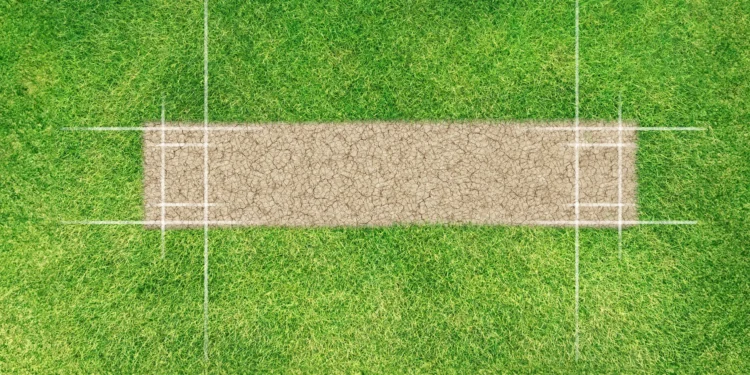
If you watch a cricket match closely, you will notice several white lines marked around the wickets at both ends of the pitch. These lines are called creases, and they play a crucial role in determining whether a delivery is legal, whether a batter is safe from being run out, and where bowlers are allowed to release the ball.
Understanding these markings is one of the easiest ways to grasp the rules of the game. In this guide, we’ll explain how many creases are there in cricket, what each crease is used for, and why they are so important to the sport.
What Is a Crease in Cricket?
A crease in cricket is a white line marked on the pitch near the wicket. These lines act as reference points for players and umpires during a match.
Creases help officials determine important decisions such as:
-
Whether the bowler has delivered a legal ball
-
Whether a batter is run out or stumped
-
Whether the bowler stayed inside the legal bowling area
-
Where batters must stand to be considered safe
Because these lines are used in many rule decisions, they are one of the most important markings on the cricket field. This is why many beginners ask the question: how many creases are there in cricket?
To answer “how many creases are there in cricket?” properly, we first need to understand the three different types of creases found on the pitch.
The Three Types of Creases in Cricket
At each end of the cricket pitch, there are three main types of creases. Each serves a different purpose in the game.
1. The Popping Crease
The popping crease is the most frequently used crease during a match.
This line runs parallel to the bowling crease and is positioned about four feet in front of the wickets. It is the line that batters must reach to be considered safe when running between the wickets.
If a batter fails to get their bat or body behind the popping crease before the fielding team breaks the stumps, they can be given run out or stumped.
The popping crease is also extremely important for bowlers. If a bowler’s front foot lands beyond the popping crease when delivering the ball, the umpire calls a no-ball. In limited-overs cricket, this often results in an extra run and sometimes even a free hit for the batting team.
Because of its role in both batting and bowling rules, the popping crease is one of the most critical lines on the cricket pitch.
2. The Bowling Crease
The bowling crease runs directly through the center of the three stumps at each end of the pitch.
This line is mainly used as a reference point for positioning the wicket and aligning the other crease markings on the field.
Ground staff use the bowling crease to measure the correct distances when preparing the pitch before a match. It also helps determine whether a bowler has delivered the ball from the correct position relative to the stumps.
Although players may not focus on it as much during gameplay, the bowling crease plays an important role in ensuring the pitch is properly set up according to official cricket regulations.
3. The Return Crease
The return creases are drawn at right angles to the popping crease and extend behind the bowling crease on both sides of the wicket.
These lines create a rectangular area that bowlers must stay within when delivering the ball.
If the bowler’s back foot lands outside the return crease, the delivery is ruled a no-ball. This rule prevents bowlers from creating unfair angles that could give them an advantage over the batter.
The return creases help maintain fairness and ensure bowlers deliver the ball from a consistent position.
So, How Many Creases Are There in Cricket?
Now that we understand the different types, let’s answer the main question: how many creases are there in cricket?
At each end of the pitch, there are:
-
1 popping crease
-
1 bowling crease
-
2 return creases
This means there are four crease lines at each end of the pitch.
Since a cricket pitch has two ends, the total becomes:
-
2 popping creases
-
2 bowling creases
-
4 return creases
So in total, there are 8 crease lines on a cricket pitch.
However, when people ask how many creases are there in cricket, they are often referring to the three main crease types found at each end of the pitch.
Why Creases Are Important in Cricket
Creases are not just simple lines on the field—they are essential for enforcing many of cricket’s rules.
Umpires rely on these markings to make key decisions, including:
-
Run-outs
-
Stumpings
-
No-ball calls
-
Legal bowling deliveries
Without creases, it would be very difficult to judge whether a batter had made their ground or whether a bowler delivered the ball correctly.
These lines also help players understand their positions during the game. Batters know how many creases are there in cricket to know where they must reach to complete a run safely, and bowlers know the area within which they must release the ball.
How Creases Help Players and Fans
Once you understand how many creases are there in cricket, watching the game becomes much easier.
Fans can follow umpire decisions more clearly, especially when it comes to close run-out calls or front-foot no-balls. Players also rely heavily on these markings when making split-second decisions during fast-paced moments in a match.
Even experienced cricketers constantly check their position relative to the crease to avoid costly mistakes.
Final Thoughts
So, how many creases are there in cricket? The answer depends on how you count them.
There are three main types of creases at each end of the pitch: the popping crease, the bowling crease, and the return crease. When counting the actual lines on the field, a cricket pitch contains eight crease lines in total.
These markings play a crucial role in determining many important aspects of the game, from legal deliveries to run-out decisions. Once you understand how many creases are there in cricket and how each crease works, the rules of cricket become much clearer and easier to follow.
Whether you’re a new fan or someone learning the game, understanding how many creases are there in cricket is one of the first steps to appreciating the strategy and precision that make cricket such an exciting sport.
Read Also ICC Champions Trophy 2026 and Why It Still Matters