Why Biometrics Are Replacing Logins
For decades, passwords were the primary way people accessed their digital accounts. But as cyberthreats evolve and digital ecosystems become more complex, the limitations of passwords have become impossible to ignore.
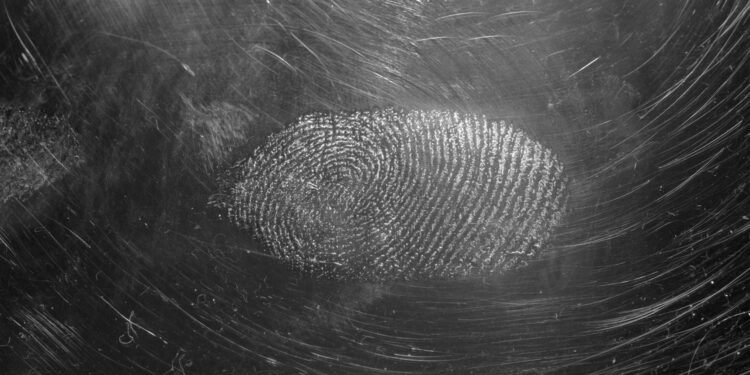
Long strings of characters, frequent resets, and endless security risks have pushed both consumers and companies to seek better solutions. Enter biometric authentication—a login method that uses unique biological traits like fingerprints, facial patterns, or voiceprints to verify identity.
Biometric authentication isn’t just a tech trend; it’s a fundamental shift in how digital systems confirm who we are. From unlocking smartphones to approving online payments and accessing apps, biometrics are quickly replacing traditional logins. Here’s why.
1. Passwords Have Become Too Weak for a Digital World
Security experts have warned for years that passwords are one of the weakest parts of digital security. Users often reuse the same login across platforms, choose simple combinations, or forget their passwords altogether. This makes accounts vulnerable to hacking, phishing, and brute-force attacks.
Biometric authentication solves this by removing reliance on memory-based credentials altogether. Your fingerprint can’t be guessed. Your facial pattern can’t be phished. Your voiceprint can’t be brute-forced. As cyberthreats become more sophisticated, biometrics offer a level of security far beyond what passwords can provide.
2. Biometrics Are Faster and More Convenient
One of the biggest reasons people prefer biometric authentication is convenience. Instead of typing multi-step passwords or entering one-time passwords (OTPs), users simply:
- Tap a fingerprint scanner
- Look at their phone camera
- Speak a short phrase
- Hold their hand in front of a vein scanner
The login is instant. This level of frictionless access is especially appealing in a world where people manage dozens of accounts—from banking and messaging apps to entertainment platforms and shopping sites.
Convenience is now a core expectation, not a luxury. Biometrics deliver exactly that.
3. Multi-Factor Security Without the Hassle
Traditional multi-factor authentication (MFA) often requires receiving codes via SMS or email, which can be slow, unreliable, or easily intercepted. Biometric authentication, on the other hand, builds multi-factor security directly into the device.
Biometrics can act as:
- Something you have (your device)
- Something you are (your biometric trait)
This creates a seamless yet powerful layer of protection. Many financial services and payment apps already use biometrics as part of their MFA workflows because of the balance between usability and security.
4. Enhanced Fraud Prevention
Fraud is increasingly common in banking, e-commerce, gaming, and mobile payments. Password-based systems are easily compromised, leading to identity theft and financial loss. Biometric authentication offers a stronger alternative because it verifies a person, not a password.
Advanced systems even use “liveness detection” to ensure someone is physically present, preventing spoofing with photos or recordings. This technology is becoming crucial in sectors like fintech, remote work platforms, gig-economy apps, and even government services.
5. Biometrics Power Modern Devices and Digital Ecosystems
Smartphones, laptops, tablets, and smart home devices all now ship with built-in biometric capabilities. Apple’s Face ID, Google’s Pixel Imprint, Windows Hello, and Samsung’s ultrasonic fingerprint systems have normalized biometrics for billions of users.
With hardware already in place, platforms increasingly adopt biometric authentication for app logins, digital wallets, secure emails, and sensitive workplace tools. As a result, biometrics are becoming the default mode for device and app security.
6. The Rise of Passwordless Systems Globally
Tech giants like Microsoft, Google, and Apple have committed to a passwordless future. Their shared effort under the FIDO Alliance is pushing the industry toward universal biometric authentication systems that eliminate traditional passwords.
Passwordless logins mean:
- No resets
- No retrieval emails
- No weak or reused passwords
- Fewer admin issues
This shift benefits businesses too, reducing support requests and lowering security risks across large teams.
7. Biometrics Are More Inclusive Than Passwords
Passwords are often a barrier for people who struggle with typing, remembering long codes, or navigating complex login structures. Biometric authentication removes that barrier by allowing people to log in with something they always have with them—their own physical identity.
This provides accessibility advantages, particularly for:
- Older adults
- Users with disabilities
- Individuals unfamiliar with complex digital systems
Technology becomes faster and more inclusive at the same time.
8. A Secure Foundation for Digital Payments
The payments industry has rapidly adopted biometric authentication because of its speed and security. Today, you can approve transactions with:
- Fingerprints
- Face scans
- Retina or iris scans
- Voice confirmation
Platforms like UPI, Apple Pay, Google Pay, and various banking apps rely heavily on biometrics to secure transactions. As online payments continue to rise, so does the demand for reliable and instant verification.
9. Biometrics Strengthen Workplace Security
As remote and hybrid work environments expand, companies need strong identity verification systems to protect sensitive data. Biometric authentication is becoming standard in workplace devices, secure apps, time-tracking systems, and remote verification workflows.
Companies value biometrics because they:
- Reduce impersonation risk
- Simplify employee access
- Strengthen cybersecurity policies
- Integrate with cloud platforms and enterprise software
This makes biometrics essential for the modern workforce.
10. The Future: Behavioral Biometrics and Continuous Authentication
Biometrics are evolving beyond fingerprints and faces. The next generation of biometric authentication includes behavioral markers such as:
- Typing speed
- Gesture patterns
- Phone-holding posture
- Gait (walking pattern)
- Mouse movement style
These traits allow continuous authentication—verifying users throughout a session, not just at login. This emerging technology will redefine the future of cybersecurity.
Challenges and Ethical Concerns
Despite their advantages, biometrics also raise important questions:
Data Privacy
Biometric data is deeply personal. If stolen or misused, it cannot be “changed” like a password.
Storage and Encryption Risks
Organizations must securely store and protect biometric templates, often using advanced encryption.
Bias and Accuracy Issues
Some facial recognition algorithms have historically shown demographic bias, prompting calls for fairer training models.
User Consent
People must fully understand when and how their biometrics are used.
The future of biometrics depends on strong digital rights, transparent policies, and rigorous data protection laws.
Biometrics Are the New Standard — And They’re Here to Stay
The rise of biometric authentication marks a turning point in digital security. As passwords fade into history, biometrics are shaping a future that is faster, safer, and more user-friendly. With their blend of convenience, protection, and seamless integration across devices, biometrics are becoming the universal language of digital identity.
In 2025 and beyond, logging in won’t mean remembering passwords — it will mean simply being yourself.