miHoYo Unveils Varsapura: What the New Open-World Game Means for the Studio’s Future
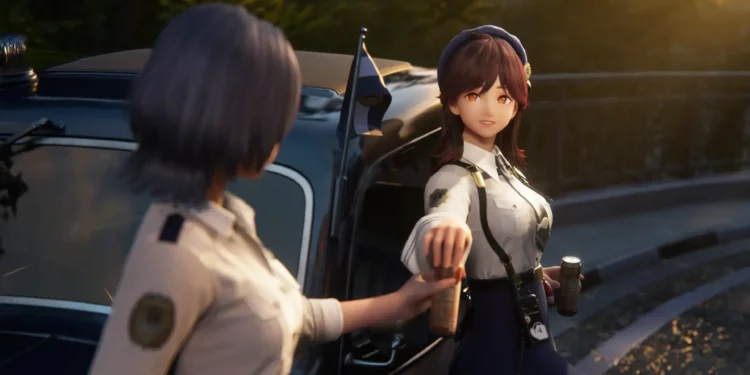
When miHoYo first reshaped the global RPG market with Genshin Impact, few anticipated just how far the studio’s ambitions would stretch. Now, with the unveiling of Varsapura, the developer signals another dramatic evolution—one that may redefine its technological identity, aesthetic direction, and long-term strategy. Known for blending anime-inspired design with gacha-driven live service systems, the company is stepping into darker, more realistic territory with this upcoming open-world action RPG.
Built on Unreal Engine 5 and set in a rain-drenched urban metropolis known as the “City of Rain,” Varsapura represents a bold pivot. While fantasy landscapes and celestial lore defined earlier titles, the company now appears ready to explore psychological horror, modern cityscapes, and more grounded storytelling. The implications extend beyond a single game release; they hint at how the studio sees its future in an increasingly competitive global market.
A New Setting: The City of Rain
At the heart of Varsapura is a sprawling urban environment inspired by real-world cities such as Singapore and Shanghai. The name itself—derived from Sanskrit words meaning “rain” and “city”—evokes both mysticism and realism. For miHoYo, this is a significant aesthetic departure. Rather than pastel fantasy kingdoms or space-faring sci-fi settings, players explore neon-lit streets soaked in perpetual rainfall.
The protagonist, Hollowone, becomes entangled with SEAL (Shadow Emergency Alliance), a covert organization combating supernatural anomalies. Threats include grotesque creatures and a mysterious infection called Mindrot. Through this darker narrative lens, the company appears to be experimenting with psychological themes rarely foregrounded in its previous franchises.
Visually, the shift is striking. Unreal Engine 5 enables photorealistic lighting, dynamic weather systems, and high-detail urban architecture. Yet, miHoYo retains subtle anime influences in character modeling, creating a hybrid style that bridges realism and stylization.
Gameplay Evolution and Combat Systems
Mechanically, Varsapura builds on the fluid combat systems that miHoYo has refined over the past decade. Players control a three-character team, seamlessly swapping between members mid-battle. This dynamic approach maintains the studio’s hallmark emphasis on fast-paced, combo-driven action.
New mechanics distinguish this project from earlier titles. Weapons such as a multi-functional umbrella enable chained attacks and defensive maneuvers. Urban traversal expands beyond running and climbing—players can drive vehicles through detailed city streets, adding a level of immersion that pushes miHoYo closer to Western open-world standards.
Dialogue choices influence mission outcomes, and combat sequences sometimes unfold in “inner worlds,” surreal battle arenas tied to narrative developments. This layered storytelling suggests that the company aims to deepen player engagement beyond traditional gacha cycles.
Technological Leap: Unreal Engine 5
One of the most significant shifts is the company’s adoption of Unreal Engine 5 for a flagship project. Historically, the studio relied heavily on proprietary tools and heavily stylized rendering pipelines. Moving to UE5 signals confidence in competing at the highest level of graphical fidelity.
The 31-minute technical demo showcased high-end lighting, reflective wet surfaces, and complex crowd simulations—features demanding considerable hardware power. If fully realized, this technological leap positions the company alongside major Western developers using the same engine.
This move also has strategic implications. By mastering Unreal Engine 5, miHoYo expands its development flexibility, potentially streamlining cross-platform releases and future AAA ambitions.
Strategic Shift in Tone and Audience
Perhaps the most fascinating aspect of Varsapura is its tonal maturity. Where Genshin Impact leaned into whimsical fantasy, this project adopts urban tension and psychological unease. That tonal shift may be deliberate.
The global player base of the company has matured alongside its flagship titles. By introducing darker narratives and more grounded environments, the studio could attract new demographics—players who prefer urban fantasy or cyberpunk-inspired experiences.
This evolution reduces reliance on a single aesthetic identity. If successful, Varsapura demonstrates that miHoYo can diversify without abandoning its core strengths: character-driven storytelling, live-service systems, and highly polished combat.
Gacha Systems and Monetization Questions
No discussion of a miHoYo project is complete without addressing monetization. While full details remain undisclosed, speculation suggests the presence of character acquisition mechanics similar to previous titles.
However, Varsapura’s urban setting and narrative complexity could signal experimentation in how gacha elements are integrated. Instead of fantasy heroes drawn from elemental archetypes, players may encounter morally ambiguous urban operatives.
The challenge for miHoYo will be balancing monetization with immersion. Western audiences, in particular, are increasingly sensitive to aggressive microtransaction systems. A refined, less intrusive model could strengthen the studio’s global reputation.
Global Development and Talent Expansion
Production of Varsapura involves international collaboration, with development teams spanning Shanghai, Singapore, Los Angeles, and Montreal. This reflects miHoYo’s transformation from a regional powerhouse into a global enterprise.
Recruitment efforts continue, suggesting long-term commitment to large-scale projects. By combining Eastern and Western design philosophies, miHoYo may be crafting a new hybrid model for global game development.
This distributed approach also mitigates market risk. Diverse creative teams can produce culturally resonant content across regions, further strengthening the studio’s international presence.
Competitive Landscape and Industry Impact
The release of Varsapura places miHoYo in direct competition with major open-world franchises. Comparisons to titles like GTA 6 and large-scale urban RPGs are inevitable, especially given the vehicle mechanics and realistic city infrastructure shown in demos.
If the final product maintains its technical ambition, miHoYo could redefine perceptions of Chinese-developed AAA games. Instead of being known primarily for anime-style RPGs, the studio could emerge as a broader open-world innovator.
This would mark a turning point—not just for the company, but for the global gaming industry’s competitive balance.
Looking Ahead: What Varsapura Signals
Ultimately, Varsapura represents more than a new intellectual property. It signals ambition. By combining darker storytelling, advanced engine technology, and evolved gameplay systems, miHoYo appears ready to challenge its own creative boundaries.
If the studio successfully delivers on the demo’s promise, it may establish itself as a multi-genre powerhouse capable of competing across fantasy, sci-fi, and urban action RPG spaces. For longtime fans, the project hints at a bold new era. For competitors, it serves as notice that miHoYo is not content to remain within a single niche.
As development continues, Varsapura may well define the next chapter in the studio’s expansion—and reshape how the world views miHoYo in the years ahead.
Read Also: 7 Ways Calligraphy Shapes Game Design