Rabies Vaccine 101: What You Need to Know for Effective Protection
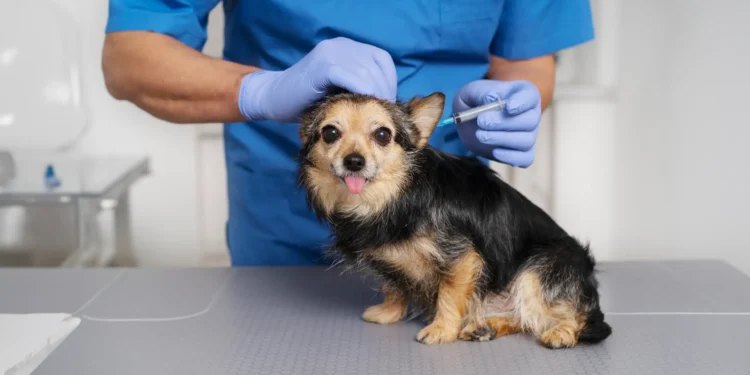
Rabies is one of the deadliest viral diseases known to humans, yet it is almost entirely preventable with timely medical care. The rabies vaccine plays a central role in protecting people after exposure and, in some cases, before any risk occurs. Despite decades of medical progress, rabies still claims thousands of lives globally each year—largely due to lack of awareness, delayed treatment, or misinformation.
Understanding how the vaccine works, who needs it, and when it should be administered can make the difference between life and death. This guide explains the essentials in a clear, practical way, helping individuals make informed health decisions.
What Is Rabies and Why Is It Dangerous?
Rabies is a viral infection that affects the central nervous system and is almost always fatal once symptoms appear. The virus is typically transmitted through the saliva of infected animals, most commonly via bites or scratches.
Once the virus enters the body, it travels along the nerves toward the brain. Without timely intervention using the rabies vaccine, the infection progresses silently for weeks or months before symptoms such as fever, confusion, paralysis, and hydrophobia appear. At that stage, survival is extremely rare.
What Is the Rabies Vaccine?
The rabies vaccine is an inactivated (killed) vaccine that stimulates the immune system to produce antibodies against the rabies virus. These antibodies prevent the virus from infecting nerve cells and reaching the brain.
Modern vaccines are highly effective, safe, and well-tolerated. They are used both for post-exposure prophylaxis (after a bite or exposure) and pre-exposure prophylaxis (for people at higher risk of contact with animals).
Who Needs the Rabies Vaccine?
The rabies vaccine is recommended in two primary situations:
- Post-exposure vaccination:
Anyone bitten, scratched, or exposed to saliva from a potentially rabid animal should receive the vaccine immediately, regardless of age. - Pre-exposure vaccination:
Certain groups benefit from preventive vaccination, including:- Veterinarians and animal handlers
- Wildlife workers
- Laboratory personnel handling the virus
- Travelers to regions where rabies is common
In both cases, the vaccine provides critical immune protection.
Vaccine After a Bite: What Happens Next?
After a suspected exposure, treatment begins with thorough wound cleaning, followed by administration of the rabies vaccine. In some cases, rabies immunoglobulin (RIG) is also given to provide immediate passive immunity.
Post-exposure vaccination typically follows a structured schedule over several days. When administered correctly and promptly, the vaccine is nearly 100% effective in preventing disease.
Delaying treatment significantly increases risk, which is why medical attention should be sought immediately after any animal bite.
Vaccine Schedule Explained
The rabies vaccine schedule depends on whether the person has been vaccinated before.
- For unvaccinated individuals:
A series of multiple doses is given over a few weeks following exposure. - For previously vaccinated individuals:
Fewer booster doses are required.
Pre-exposure vaccination usually involves a smaller series of doses given before any exposure occurs. Healthcare providers determine the exact schedule based on risk level and exposure details.
Is the Rabies Vaccine Safe?
Yes, the vaccine is considered extremely safe. It has been used globally for decades and is approved by major health authorities.
Common side effects are generally mild and may include:
- Pain or swelling at the injection site
- Mild fever
- Headache or fatigue
Serious allergic reactions are very rare. Given the fatal nature of rabies, the benefits of receiving the vaccine far outweigh the risks.
Rabies Vaccine for Children and Pregnant Women
The vaccine is safe for children and can be administered at any age when exposure occurs. Rabies does not discriminate by age, making vaccination essential for pediatric cases.
Pregnant and breastfeeding women can also safely receive the vaccine. Pregnancy is not a contraindication, especially in post-exposure situations where delaying treatment could be fatal.
How Effective Is the Vaccine?
When administered correctly and on time, the vaccine is one of the most effective vaccines in modern medicine. It prevents the virus from reaching the nervous system, stopping the disease before symptoms begin.
Failure of the vaccine is extremely rare and usually linked to delayed treatment, incomplete dosing, or improper wound care rather than the vaccine itself.
Why Awareness About the Vaccine Matters
Many rabies deaths occur not because the vaccine fails, but because people do not seek treatment in time. Minor scratches, playful bites, or exposure to saliva are often underestimated.
Public awareness about the rabies vaccine helps reduce preventable deaths, especially in areas where stray animals are common and access to healthcare may be delayed.
Myths and Misconceptions About the Rabies Vaccine
Several myths still surround the vaccine, including beliefs that it is painful, unsafe, or unnecessary for small bites. Modern vaccines are far more advanced than older versions and are administered safely.
Another misconception is that treatment can wait until symptoms appear. In reality, once symptoms begin, the rabies vaccine is no longer effective. Prevention must happen early.
Cost and Availability
The rabies vaccine is widely available in hospitals, clinics, and travel health centers. While cost varies by region, many public health systems subsidize post-exposure treatment due to its life-saving importance.
Pre-exposure vaccination may not always be covered by insurance, but it remains a worthwhile investment for high-risk individuals.
Final Thoughts: Prevention Saves Lives
Rabies is a preventable tragedy. The rabies vaccine stands as a proven, reliable defense against a disease that is otherwise almost always fatal. Whether administered after exposure or as a preventive measure, timely vaccination protects individuals and communities alike.
Knowing when to seek care, understanding how the rabies vaccine works, and acting quickly after exposure can save lives. Awareness is the first step—and vaccination is the most powerful tool we have.
Read Also: 7 Ways A Habit Loop Can Shape Our Daily Rituals